


President Joko Widodo expressed his enthusiasm, declaring it a "historical day" and celebrating the realization of a significant renewable energy plant. In his speech, he proudly announced the Cirata floating solar farm as the largest in Southeast Asia and the third-largest globally.
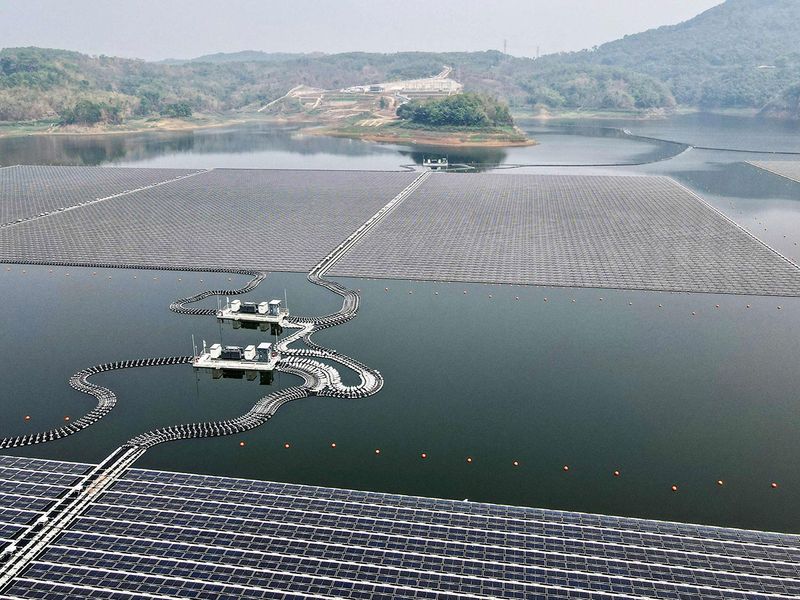
This collaborative effort between Indonesia's national electricity company, Perusahaan Listrik Negara (PLN), and the Abu Dhabi-based renewable energy company Masdar took three years to complete and incurred approximately $100 million. The picturesque solar farm, situated amidst lush greenery and financed by Sumitomo Mitsui Banking Corporation, Societe Generale, and Standard Chartered, boasts 340,000 panels generating 192 megawatt peak (MWp) of power, sufficient for the Cirata region.
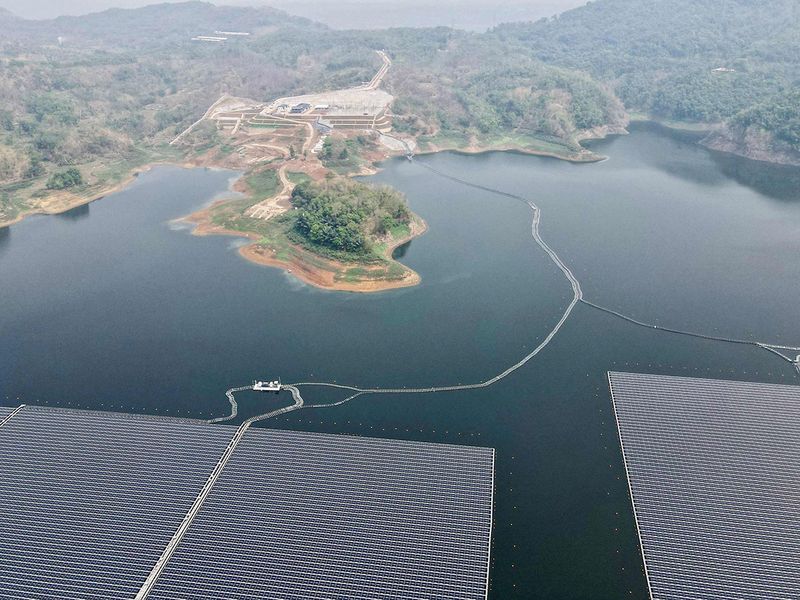
The Indonesian President Widodo revealed plans for expanding the project to 500 MWp, with PLN expressing the potential for further expansion to 1,000 MWp. Indonesia, aiming for net-zero emissions by 2060, is committed to achieving net-zero power sector emissions by 2050 under the $20 billion Just Energy Transition Partnership (JETP) plan.
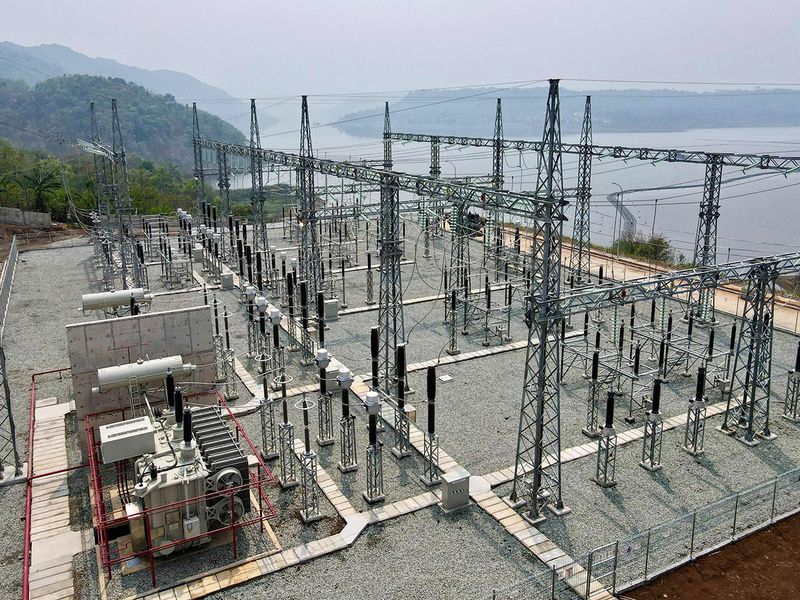
While emphasizing the need for more renewable energy sources, including solar, hydropower, geothermal, and wind, President Widodo acknowledged the current dominance of fossil fuels in Indonesia's power mix. Despite setting a target to increase renewable energy to 23 percent of the energy mix by 2025, challenges, particularly those induced by the COVID-19 pandemic, may impact the realization of this goal.
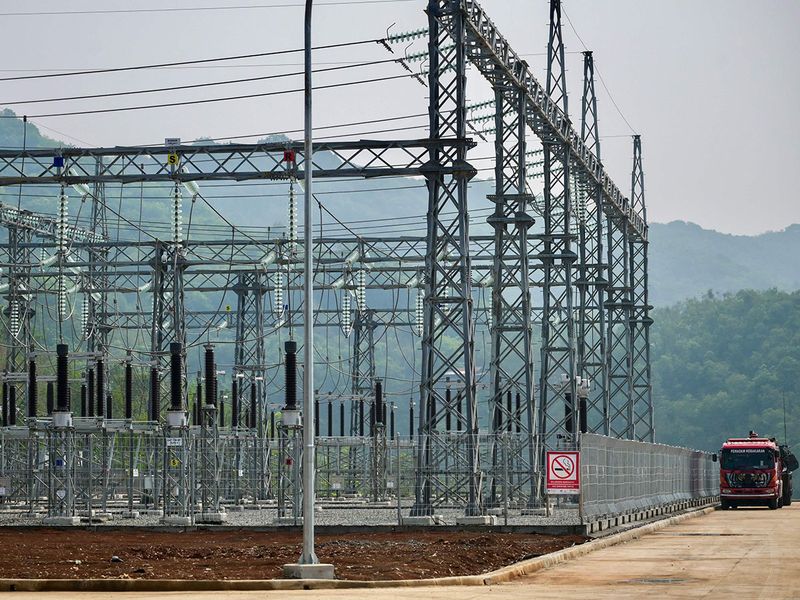
Indonesia, as the world's largest producer of nickel, is also positioning itself in the electric vehicle market. However, some industrial parks housing nickel smelters, crucial for lithium-ion batteries, rely on coal power, presenting a complex scenario in the country's pursuit of sustainable energy solutions.
